RETHINKING FAIRNESS IN MALAWI’S EDUCATION SYSTEM
Rethinking fairness in our education in Malawi as a blog/podcast has come about as part of my doctorate research project.
The focus will be on fairness, a theme that has emerged time and again in conversations, on social media, newspapers and other outlet throughout the pandemic. The pandemic brought renewed focus on different educational experiences for Malawian children as some schools managed to deliver online lessons more successfully than others.
#MSCE RESULTS
Malawi is a country of massive economic inequalities, and these economic inequalities are having a huge impact on our communities and the fabric of our society. Consequently, these inequalities reinforce each other intergenerational through various formal and informal institutions and networks resulting in inequality between groups and geographical regions and chronic poverty passed between generations.
Statistics for the just released MSCE results show 123, 008 students sat for the exams. 63,949 students have passed, representing a pass rate of 52% and a failure rate of 48%.
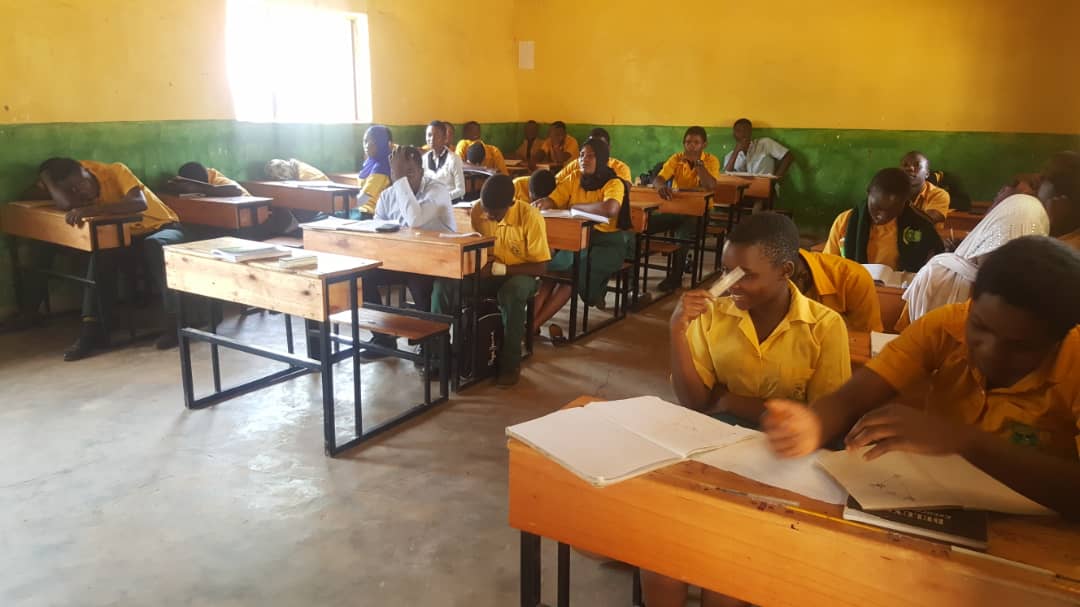
We have 59,059 students who need to go back to school this academic year to repeat, meaning our form 4s classes are going to be filled to overcapacity as we have the current form 4 class already in session.
I would argue that it is likely that most of the students who have failed come from low-socio-economic backgrounds.
As a country how do we help these children as Education for a country like ours is a great engine of personal and national development. In Malawi currently we have massive inequalities, and these economic inequalities are having a huge impact on our communities and the fabric of our society.
Consequently, these inequalities keep reinforcing each other intergenerational through various formal and informal institutions and networks resulting in inequality between groups and geographical regions and chronic poverty passed between generations.
Nelson Mandela once said “It is through education that the daughter of a peasant can become a doctor, that the son of a mine worker can become the head of the mine; that a child of farm workers can become the president of a great nation. It is what we make out of what we have, not what we are given, that separates one person from another”.
The big question is how do we start levelling the education playing field for all children in Malawi ( Chitipa to Nsanje)?
 Sherose